
Everything You Need to Know About Car Lug Nuts
When it comes to keeping your car safe and stable, every single component matters — even the smallest ones. One such small but essential part is the lug nut. These tiny fasteners are the key to keeping your wheels securely attached to your vehicle. Without them, your car simply wouldn’t be safe to drive.
In this comprehensive guide, we’ll explain what lug nuts are, the different types available, the materials used, and how to maintain and install them properly. Whether you’re a car enthusiast or just want to understand your vehicle better, this article covers everything you need to know about lug nuts.
1. What Are Lug Nuts?
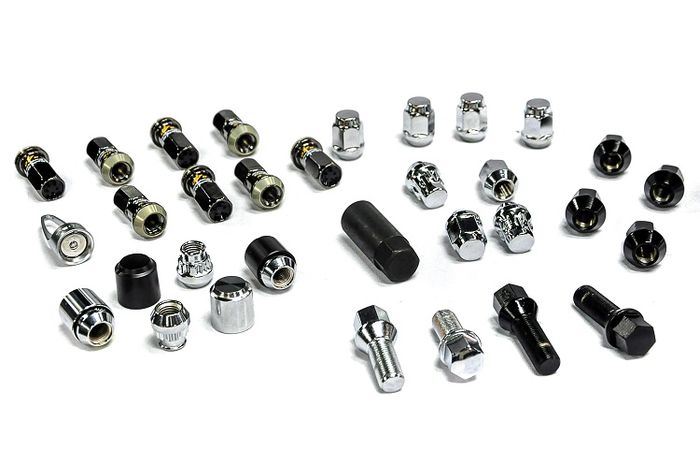
Lug nuts (also called wheel nuts) are fasteners used to secure a car’s wheels onto the threaded wheel studs on the vehicle’s hub. They’re usually made of strong metals such as steel, aluminum, or titanium and come in different shapes and seat designs depending on the wheel type.
Each wheel typically uses four to six lug nuts, although some heavy-duty vehicles use eight or more. The lug nuts’ main function is to clamp the wheel firmly to the hub, ensuring that it rotates smoothly without wobbling or coming loose.
While they may seem small and simple, lug nuts endure massive forces every time you drive — from acceleration and braking to cornering and road vibrations.
2. Why Lug Nuts Are Important
The safety of your car’s wheels depends heavily on the condition and correct installation of your lug nuts. Here’s why they’re so important:
-
Safety: Lug nuts hold the wheel in place. If one fails, the wheel can loosen and detach.
-
Performance: Properly torqued lug nuts maintain wheel alignment and balance.
-
Durability: Secure wheels reduce stress on suspension components.
-
Braking Stability: Firmly attached wheels help distribute braking force evenly.
Loose or over-tightened lug nuts can both cause serious problems. Loose ones may lead to vibration or wheel detachment, while overtightened ones can stretch the wheel studs and cause cracking or failure.
3. Types of Lug Nuts
There isn’t just one kind of lug nut — in fact, different wheels and cars require different styles. Here are the main types:
a. Conical (Tapered) Seat Lug Nuts
These have a cone-shaped base (usually 60°) that fits into a matching taper on the wheel. This is the most common type used on passenger cars and aftermarket alloy wheels.
-
Pros: Self-centering, easy to install
-
Cons: Can damage the wheel if over-tightened
Used on: Most Japanese and American vehicles.
b. Ball (Radius) Seat Lug Nuts
These have a rounded base instead of a cone. They’re common on European cars such as Volkswagen, Audi, and Mercedes-Benz.
-
Pros: Ideal for OEM wheels with ball-shaped seats
-
Cons: Not interchangeable with conical types
Used on: European OEM wheels.
c. Flat Seat Lug Nuts
Flat seat nuts have a flat base, often with a washer that sits flush against the wheel surface. This style provides even pressure distribution.
-
Pros: Good clamping strength
-
Cons: Requires precise alignment during installation
Used on: Racing and tuner wheels.
d. Spline Drive Lug Nuts
These are slim, uniquely patterned lug nuts that require a special key for installation and removal. They are designed for aftermarket wheels with narrow lug holes.
-
Pros: Stylish, anti-theft design
-
Cons: Require a key for installation/removal
Used on: Aftermarket and tuner wheels.
e. Locking Lug Nuts
Locking lug nuts (or wheel locks) include a special pattern that only fits a unique key, helping to prevent wheel theft.
-
Pros: Theft protection
-
Cons: If you lose the key, removal becomes difficult
Used on: Expensive alloy or forged wheels.
f. Open-End vs. Closed-End Lug Nuts
-
Closed-end nuts cover the stud completely, protecting threads from dirt and moisture.
-
Open-end nuts expose the stud, useful when using extended wheel studs (common in racing).
4. Materials Used for Lug Nuts
Lug nuts must withstand extreme pressure and environmental conditions, so they’re made from strong, durable materials. Here are the most common ones:
a. Steel
The most popular choice for both OEM and aftermarket lug nuts. They are usually chrome-plated or zinc-coated to prevent rust.
-
Pros: Strong, durable, affordable
-
Cons: Can corrode if coating is damaged
b. Aluminum
Lightweight and resistant to rust, aluminum lug nuts are used in performance or show cars. However, they are softer and require careful handling.
-
Pros: Lightweight, visually appealing
-
Cons: Easier to strip or damage
c. Titanium
Titanium lug nuts are the premium option. They’re lightweight, corrosion-proof, and extremely strong, making them ideal for high-performance vehicles.
-
Pros: Very strong, no corrosion
-
Cons: Expensive
5. How to Choose the Right Lug Nuts for Your Car
Selecting the correct lug nuts is crucial for both safety and fitment. Before buying, check the following factors:
-
Thread Size & Pitch — Must match your wheel studs (e.g., M12x1.5, M14x1.25).
-
Seat Type — Match your wheel’s seat design (conical, ball, or flat).
-
Length — Ensure proper thread engagement without extending too far.
-
Material & Finish — Choose based on your usage (chrome for OEM, anodized for custom).
-
Torque Specification — Follow your car manufacturer’s torque guide to avoid over-tightening.
6. Proper Installation and Torqueing
Correct torque is essential. If lug nuts are too tight, they can damage the studs or brake rotors; too loose, and the wheel could come off.
Here’s how to install them properly:
-
Clean the hub and wheel mounting surface.
-
Hand-thread each lug nut to avoid cross-threading.
-
Tighten in a star or crisscross pattern to distribute pressure evenly.
-
Use a torque wrench, not an impact gun, to reach the correct specification.
-
Recheck torque after driving 50–100 km, especially with new wheels.
Typical torque specs:
-
Small cars: 80–100 ft-lbs
-
SUVs/Trucks: 100–140 ft-lbs
7. Maintenance Tips
Keeping your lug nuts clean and in good shape extends their lifespan and ensures wheel safety.
Maintenance Checklist:
-
Inspect for rust, cracks, or wear every few months.
-
Avoid lubricating threads, unless the manufacturer recommends it.
-
Replace damaged or missing nuts immediately.
-
Store your locking lug key in a safe but accessible location.
-
If driving in salty or wet areas, wash the wheels frequently to prevent corrosion.
8. Style and Customization
Many car owners upgrade their lug nuts for aesthetic reasons. Modern lug nuts come in different colors, finishes, and designs, from chrome to anodized blue, red, or titanium rainbow.
Popular brands like Muteki, Rays, Gorilla Automotive, and Project Kics offer premium lug nut sets that combine style, security, and performance. When paired with matching alloy rims, they can dramatically enhance the look of your car.
9. Common Lug Nut Problems
Here are a few common issues you might encounter:
| Problem | Cause | Solution |
|---|---|---|
| Lug nuts rusted | Exposure to moisture | Replace or clean with rust remover |
| Stripped threads | Over-torqueing or poor tools | Replace nut and stud |
| Loose wheel | Under-torqueing | Retighten using proper torque |
| Stuck lug nuts | Overtightened or corroded | Use penetrating oil and proper socket |
10. Conclusion
Lug nuts may be small, but they play a massive role in your vehicle’s safety and performance. Choosing the right type, installing them correctly, and keeping them well-maintained will ensure that your wheels stay securely attached — no matter where you drive.
When upgrading your rims or tires, never overlook the importance of your lug nuts. A few minutes of care can save you from accidents, costly repairs, or even a lost wheel on the road.
✅ Keywords for SEO:
car lug nuts, types of lug nuts, wheel nuts, wheel bolts, car wheel accessories, lug nut installation, lug nut maintenance, automotive safety.