
The Complete Guide to Car Exhaust Systems: Power, Sound, and Performance
When it comes to automotive performance, one component that often defines a car’s character—both in sound and power—is the exhaust system. More than just a pipe that channels gases away from the engine, the exhaust system plays a vital role in your car’s efficiency, emissions, and driving experience.
From enhancing horsepower to giving your vehicle that deep, throaty roar, a well-designed exhaust system is essential for performance enthusiasts and daily drivers alike. In this article, we’ll explore everything you need to know about car exhaust systems—their function, types, components, and how to upgrade them for better performance.
What Is an Exhaust System?
The exhaust system is a network of pipes and components that direct combustion gases away from the engine while reducing noise and emissions. It begins at the engine’s exhaust manifold and ends at the tailpipe, ensuring that harmful gases are safely released after being treated and muffled.
In addition to managing emissions, a properly designed exhaust system improves engine performance, fuel economy, and sound quality. Essentially, it’s both a safety device and a performance enhancer.
How the Exhaust System Works
Every time your engine burns fuel, it produces exhaust gases such as carbon monoxide (CO), nitrogen oxides (NOx), and hydrocarbons (HC). These gases need to be expelled quickly and safely to prevent engine damage and environmental harm.
Here’s how the process works step by step:
-
Exhaust Manifold: Collects gases from the engine’s cylinders and channels them into a single pipe.
-
Oxygen Sensors: Measure the oxygen level in the gases to help the engine control fuel injection and air-fuel mixture.
-
Catalytic Converter: Converts harmful pollutants into less harmful emissions like water vapor and carbon dioxide.
-
Resonator: Tunes the exhaust note by reducing certain sound frequencies.
-
Muffler: Reduces overall noise levels using chambers and sound-absorbing materials.
-
Tailpipe: The final outlet where cleaned gases exit the vehicle.
Together, these parts ensure that your car runs quietly, efficiently, and with minimal environmental impact.
Main Components of an Exhaust System
To understand the system better, let’s break down the key components that make up a typical exhaust setup.
1. Exhaust Manifold
The exhaust manifold is bolted directly to the engine’s cylinder head. It gathers exhaust gases from multiple cylinders and channels them into a single pipe.
-
Cast Iron Manifolds are durable but heavy.
-
Tuned Headers (aftermarket version) improve performance by optimizing gas flow and reducing backpressure.
2. Catalytic Converter
This is the environmental heart of your exhaust system. The catalytic converter uses precious metals like platinum, palladium, and rhodium to trigger chemical reactions that break down toxic gases.
-
Converts CO, HC, and NOx into CO₂, H₂O, and N₂.
-
A failing catalytic converter can cause poor performance and trigger the Check Engine Light.
3. Resonator
Not every car has one, but when included, a resonator fine-tunes the sound of your exhaust. It cancels out certain sound frequencies, creating a smoother, deeper tone.
4. Muffler
Perhaps the most recognizable component, the muffler minimizes the noise from combustion. It uses baffles, chambers, or fiberglass packing to absorb or deflect sound waves.
Performance mufflers can amplify the car’s tone without violating noise limits.
5. Exhaust Piping
The piping connects all components from the manifold to the tailpipe. The diameter and layout of these pipes significantly affect airflow and performance.
-
Too small: Causes backpressure, reducing power.
-
Too large: Reduces exhaust velocity, harming low-end torque.
-
Optimal sizing: Balances both for smooth power delivery.
6. Tailpipe and Tip
The final section where exhaust gases exit. While mostly aesthetic, tailpipe tips come in various styles and materials like stainless steel, titanium, or carbon fiber, adding a stylish finish to the car’s rear.
Types of Exhaust Systems
Depending on your car and goals, there are several exhaust configurations to choose from:
1. Single Exhaust System
The most common setup for most vehicles. It uses one set of pipes and one muffler.
-
Pros: Lightweight, affordable, and easy to maintain.
-
Cons: Limited power gains compared to dual systems.
2. Dual Exhaust System
Common in performance vehicles, dual exhaust systems have two sets of pipes—one for each side of the engine.
-
Pros: Better airflow, improved power, and sporty appearance.
-
Cons: Heavier and more expensive to install.
3. Cat-Back Exhaust System
Includes all components from the catalytic converter to the tailpipe. It’s a popular aftermarket upgrade that enhances sound and performance without violating emissions laws.
4. Axle-Back Exhaust System
Only replaces the section from the rear axle to the tailpipe. It’s mainly for sound improvement and is easier to install than a full system.
5. Header-Back Exhaust System
A complete replacement from the headers to the tailpipe. Provides maximum performance gains but can be costly and complex to install.
Benefits of Upgrading Your Exhaust System
Many car enthusiasts upgrade their exhaust systems not only for performance but also for aesthetics and sound. Here’s what you gain:
1. Increased Horsepower and Torque
A performance exhaust system reduces backpressure, allowing exhaust gases to exit faster and improving engine breathing. This results in noticeable gains in horsepower and torque.
2. Better Fuel Efficiency
Improved airflow leads to more efficient combustion, meaning your engine doesn’t have to work as hard—potentially improving fuel economy by 5–10%.
3. Enhanced Sound
From a deep rumble to a sharp growl, an aftermarket exhaust can give your car the aggressive tone you desire. Resonators and mufflers allow you to tune the sound to your preference.
4. Improved Aesthetics
Polished stainless steel or carbon-fiber tips not only resist corrosion but also add a sporty, premium look to your vehicle’s rear.
5. Reduced Weight
Many stock systems use heavy steel components. Aftermarket exhausts often use lightweight materials like stainless steel or titanium, improving your car’s power-to-weight ratio.
6. Durability
Performance exhaust systems are usually made from corrosion-resistant materials, ensuring a longer lifespan, especially in harsh climates.
Common Materials Used in Exhaust Systems
The choice of material affects performance, cost, and durability:
-
Mild Steel: Cheap but prone to rust. Common in OEM systems.
-
Aluminized Steel: Slightly better corrosion resistance.
-
Stainless Steel: Durable and resistant to rust — ideal for performance upgrades.
-
Titanium: Ultra-lightweight and strong, often used in racing applications.
-
Carbon Fiber (Tips): Lightweight and stylish, often used for aesthetics.
Maintenance Tips for Exhaust Systems
A well-maintained exhaust system ensures your car runs quietly, cleanly, and efficiently. Here are a few maintenance tips:
-
Inspect Regularly: Check for rust, leaks, or holes, especially near joints and bends.
-
Listen for Unusual Noises: Rattling or hissing sounds can indicate loose or damaged parts.
-
Monitor Fuel Economy: A sudden drop could point to exhaust or sensor issues.
-
Clean Tailpipe Tips: Keeps your exhaust looking sharp and prevents buildup.
-
Replace Worn Components Promptly: Don’t delay fixing leaks or rust — they can spread quickly.
Legal and Environmental Considerations
Before modifying your exhaust, check your local noise and emission regulations. Some areas have strict laws on sound levels and catalytic converter removal.
Removing or tampering with emissions equipment can lead to fines or failed inspections. Always choose street-legal exhaust kits designed to meet safety and environmental standards.
The Role of Exhaust Systems in Performance Cars
In high-performance and racing cars, the exhaust system is carefully engineered to optimize scavenging — the process of efficiently removing exhaust gases to make room for the next air-fuel mixture.
Tuned headers, larger-diameter pipes, and lightweight materials like titanium or Inconel are used to maximize horsepower while maintaining precise sound tuning.
The result? Faster throttle response, higher top-end power, and that unmistakable race-inspired sound.
Conclusion
The exhaust system is far more than a set of pipes — it’s a vital part of your car’s breathing system. It manages emissions, improves performance, enhances sound, and defines your vehicle’s personality.
Whether you’re upgrading for better performance, aesthetics, or that signature growl, investing in a high-quality exhaust system can transform your driving experience.
So the next time you rev your engine, remember that every note and burst of power owes its existence to one of the most important systems under your car — the exhaust.
Recommended Featured Image:
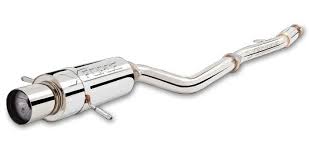
A high-resolution image showing a polished stainless steel performance exhaust system under a sports car, emphasizing the pipes, muffler, and tail tips.