
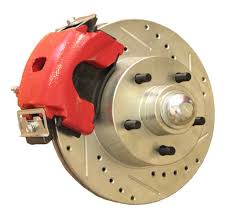
The Ultimate Guide to Disc Brake Kits: Performance, Safety, and Precision on the Road
Braking is one of the most crucial aspects of any vehicle’s performance. You can have a powerful engine, advanced suspension, and aerodynamic design, but without an effective braking system, none of that power means much. This is where the disc brake kit comes into play — a system engineered to deliver reliable, consistent, and powerful stopping performance under all conditions.
Whether you are a car enthusiast looking to upgrade your vehicle, a performance driver seeking more control, or simply someone curious about how modern braking systems work, understanding disc brake kits is essential. Let’s explore everything — from how they function and what they include to the benefits, installation, and maintenance.
What Is a Disc Brake Kit?
A disc brake kit is a complete package that includes all the components needed to replace or upgrade your vehicle’s braking system. A typical kit includes:
-
Brake discs (rotors)
-
Calipers
-
Brake pads
-
Mounting brackets
-
Brake lines and hardware
Some premium kits may even include high-performance brake fluid and heat-resistant components for racing or heavy-duty use.
Disc brake systems are designed to slow a vehicle by using hydraulic pressure to press brake pads against a rotating metal disc (the rotor). This friction converts kinetic energy into heat, slowing the car down efficiently.
The Evolution of Disc Brakes
Before disc brakes became the standard, most vehicles used drum brakes, which enclosed brake shoes inside a drum. While functional, they suffered from heat buildup, fading, and limited performance under heavy braking.
Disc brakes were introduced in the 1950s, first in aviation and motorsport, then gradually in passenger cars. Early adopters like Jaguar and Citroën used disc brakes in racing cars and luxury sedans, proving their superiority.
By the 1970s, front disc brakes became standard in most vehicles, and by the 1990s, full four-wheel disc systems were common. Today, they’re found in almost every modern car, truck, and motorcycle due to their efficiency, durability, and safety.
How Disc Brakes Work
To understand why disc brake kits are so effective, let’s break down how they function.
-
The Brake Pedal:
When you press the pedal, it pushes a piston inside the master cylinder, creating hydraulic pressure. -
Brake Lines:
The pressurized fluid travels through brake lines to each wheel. -
Calipers:
Calipers act like clamps, using pistons to press brake pads onto the rotor. -
Brake Pads and Rotors:
Friction between the pads and rotors slows the wheel’s rotation, converting motion into heat.
Because the discs are exposed to air, they cool faster than drum brakes, reducing the risk of brake fade during continuous or high-speed braking.
Main Components of a Disc Brake Kit
A disc brake kit includes several vital components, each designed to play a specific role in performance and safety.
1. Brake Rotors (Discs)
Rotors are the central element of the system. There are different types, each offering specific advantages:
-
Solid Rotors: Basic design for light-duty or everyday driving.
-
Vented Rotors: Include internal vanes for better cooling.
-
Drilled Rotors: Feature holes to dissipate heat and gases.
-
Slotted Rotors: Have grooves to remove debris and maintain pad contact.
-
Drilled and Slotted Rotors: Combine both designs for maximum performance.
2. Calipers
Calipers house the pistons that press the brake pads against the rotor.
They come in two main styles:
-
Floating Calipers: Move side-to-side, cost-effective, and common in daily vehicles.
-
Fixed Calipers: Mounted rigidly, with pistons on both sides for balanced pressure — ideal for performance and racing use.
Some high-end kits use 4-piston, 6-piston, or even 8-piston calipers for more precise control and improved stopping force.
3. Brake Pads
Brake pads are made from specialized materials that provide consistent friction and heat resistance.
Common types include:
-
Organic Pads: Soft and quiet, but wear faster.
-
Semi-Metallic Pads: Durable with excellent heat resistance.
-
Ceramic Pads: Premium choice for clean, quiet, and consistent braking.
4. Brake Lines
Upgraded kits often include stainless steel braided brake lines, which resist expansion and provide a firmer, more responsive pedal feel.
5. Mounting Hardware
This includes bolts, clips, and brackets that secure the system in place — critical for stability and safety.
Benefits of a Disc Brake Kit
Upgrading to a disc brake kit offers numerous advantages beyond just stopping power.
1. Enhanced Stopping Performance
Disc brakes provide stronger and more consistent braking than drum systems. They perform reliably at both high and low speeds and during repeated stops.
2. Superior Heat Dissipation
Thanks to their open design, disc brakes shed heat more efficiently. This reduces the risk of brake fade and ensures optimal performance during aggressive driving.
3. Better Wet Weather Performance
Because discs are exposed, water quickly evaporates, maintaining braking efficiency even in rain or wet conditions.
4. Improved Aesthetics
Performance brake kits often feature bold colors (like red or yellow calipers) and stylish drilled rotors, giving your car a sporty and premium look.
5. Easier Maintenance
Pads and rotors are easy to inspect and replace, making maintenance simpler and more cost-effective over time.
6. Greater Safety and Control
A well-designed disc brake system offers shorter stopping distances, improved control, and overall better safety for both street and performance driving.
Types of Disc Brake Kits
Depending on your driving needs and goals, there are several types of disc brake kits to consider:
1. OEM Replacement Kits
Ideal for restoring stock performance — perfect for daily driving and basic reliability.
2. Performance Street Kits
Offer upgraded components like slotted rotors and semi-metallic pads, providing better response for spirited driving.
3. Track and Racing Kits
Built for extreme performance, these kits include multi-piston calipers, lightweight rotors, and high-friction pads for maximum heat management.
4. Big Brake Kits (BBK)
Feature oversized rotors and calipers for even greater stopping power and heat control — often used on high-horsepower cars or sports sedans.
Installation Overview
Installing a disc brake kit requires some mechanical knowledge and precision. Here’s a simplified overview:
-
Lift the vehicle and remove the wheels.
-
Remove existing brakes, including calipers, pads, and rotors.
-
Install new rotors and mount the calipers using the supplied brackets.
-
Connect brake lines and ensure no leaks.
-
Bleed the system to remove any trapped air.
-
Reinstall wheels and test drive carefully to verify proper braking function.
💡 Tip: Always have a certified mechanic install performance brake kits unless you have experience — incorrect installation can lead to dangerous failures.
Maintenance Tips for Longevity
To keep your new brakes in top condition:
-
Check brake pads and rotors regularly for wear.
-
Replace brake fluid every 1–2 years.
-
Avoid aggressive braking until the pads and rotors are properly bedded-in.
-
Clean calipers to prevent dust buildup and sticking pistons.
With proper care, a high-quality disc brake kit can last over 60,000 to 100,000 kilometers, depending on driving style and environment.
Common Issues and Troubleshooting
Even high-performance systems can develop issues if neglected. Watch out for:
-
Squealing Noise: May indicate worn pads or debris on the rotor.
-
Vibration When Braking: Usually caused by warped rotors.
-
Soft Pedal Feel: Air in the system or old brake fluid.
-
Uneven Braking: Possible caliper imbalance or contaminated pads.
Addressing these problems early helps maintain performance and safety.
Are Disc Brake Kits Worth It?
Yes — for most drivers, upgrading to a disc brake kit is one of the best modifications you can make.
They provide better safety, shorter stopping distances, and enhanced confidence in every driving condition.
Performance enthusiasts and track drivers will immediately feel the difference, while daily commuters will appreciate the reliability and low maintenance.
Whether you’re building a show car, a race car, or simply upgrading your daily driver, a disc brake kit enhances both performance and peace of mind.
Conclusion
Your vehicle’s braking system is its most important safety feature — and the disc brake kit represents the perfect balance of engineering, performance, and reliability. By upgrading to a quality kit, you ensure not only superior stopping power but also enhanced control, confidence, and comfort behind the wheel.
In a world where speed often takes the spotlight, remember: true performance begins with the power to stop.
Recommended Featured Image:
A high-resolution close-up of a red multi-piston caliper gripping a drilled and slotted rotor, highlighting the details of a modern disc brake kit.