
What Is an Aero Kit?
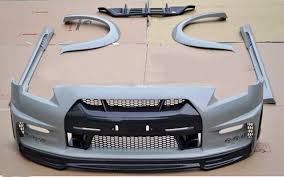
An aero kit is a set of aftermarket exterior components designed to modify the body of a vehicle so that airflow around and under the car is better managed for aerodynamic benefits. In contrast to purely cosmetic body kits, aero kits focus on functional design: reducing lift, reducing drag, and improving grip, particularly at higher speeds.
Typical aero kit components include:
-
Front splitters or lips
-
Side skirts
-
Rear diffusers
-
Spoilers or wings
-
Canards or dive-planes
-
Underbody panels or venting
These parts work together to reduce turbulent air, maintain downforce, and aid stability.
Why Install an Aero Kit? Benefits Explained
Here are the major advantages of equipping your car with an aero kit:
Improved Stability & Handling
At high speeds, unwanted lift can make a car feel unstable. Aero kit components like front splitters and side skirts help to reduce lift and keep the tires firmly planted. Meanwhile, rear diffusers and wings contribute to downforce, aiding traction in corners and high-speed driving.
Reduced Drag & Better Efficiency
A properly designed aero kit can streamline airflow around the vehicle, which may lower aerodynamic drag. Lower drag means less resistance against motion, which can translate into slight improvements in fuel economy or top speed. According to one source, “By streamlining airflow, aero parts can reduce drag, especially at cruising or highway speeds.”
Visual & Style Enhancement
Beyond performance, aero kits give the car a more aggressive, track-ready look. For many enthusiasts, the aesthetic appeal is a significant draw. “Car enthusiasts often seek ways to improve the performance and appearance of their vehicles… through the use of aero kits and body modifications.”
Potential Resale & Value Add
Cars that have well-fitted, high-quality aero kits may hold better appeal in the tuning/passenger-car enthusiast market. One piece points out: “A car with quality aero parts, installed professionally, often holds its value better than an unmodified equivalent.”
Key Components of an Aero Kit & Their Functions
Understanding each piece helps you make smarter choices rather than just installing parts for looks.
1. Front Splitter & Canards
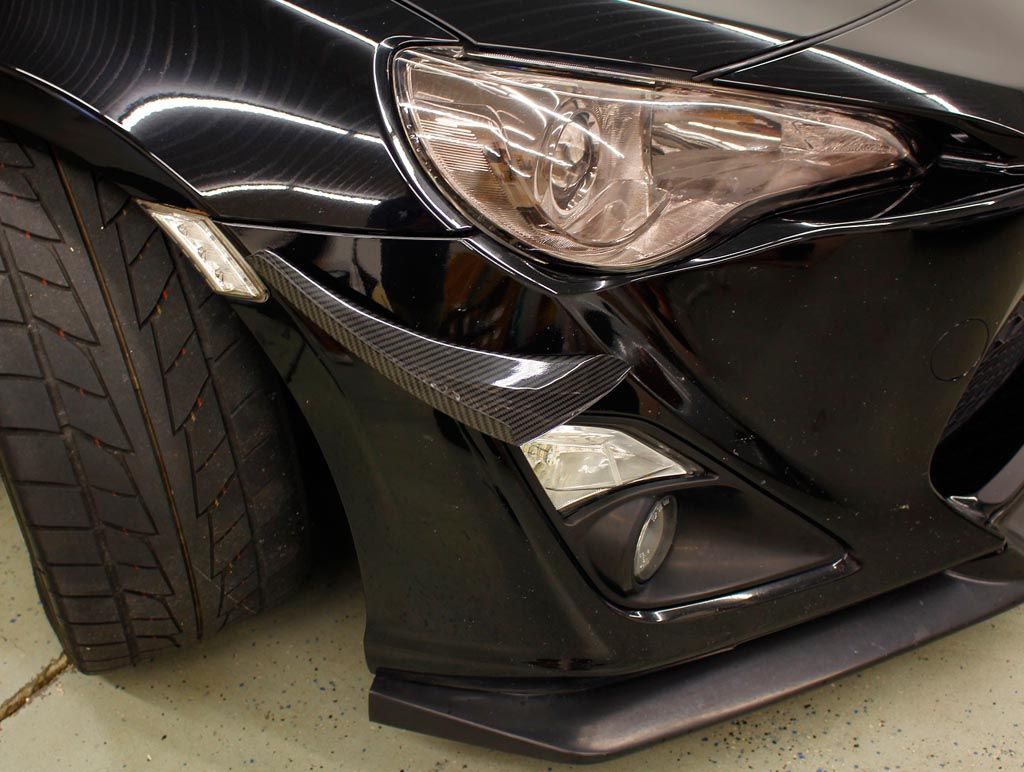
A front splitter extends outward beneath the front bumper, redirecting airflow, reducing lift at the front end and helping to create a lower-pressure zone under the car. Canards (or dive-planes) are small winglets at the front corners, adding extra downforce and helping to guide airflow around the sides.
2. Side Skirts
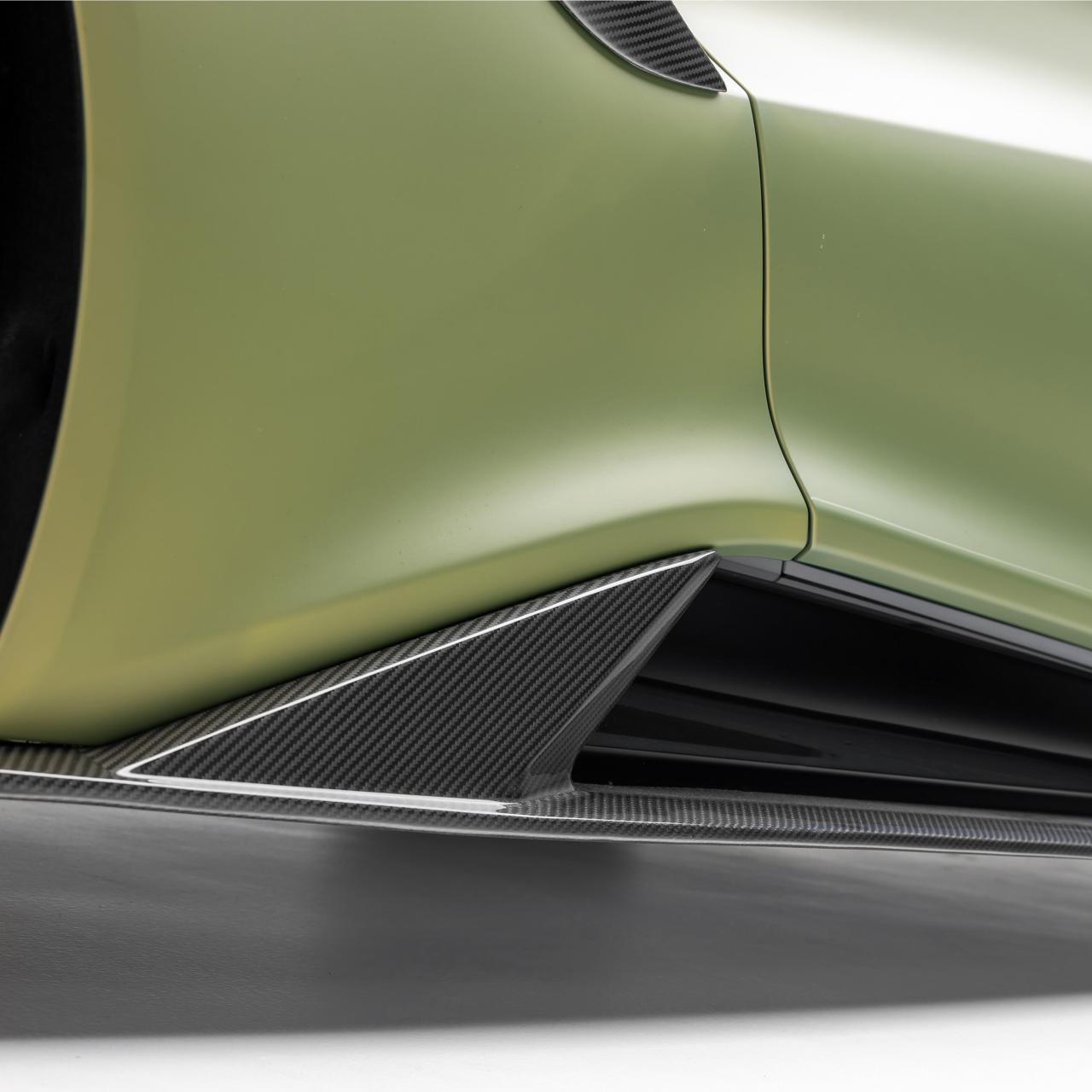
Mounted along the lower side edges of the car, side skirts help prevent air from entering beneath the car’s sides, limiting underbody turbulence and lift. This ensures the under-tray airflow remains controlled.
3. Rear Diffuser & Underbody Panels
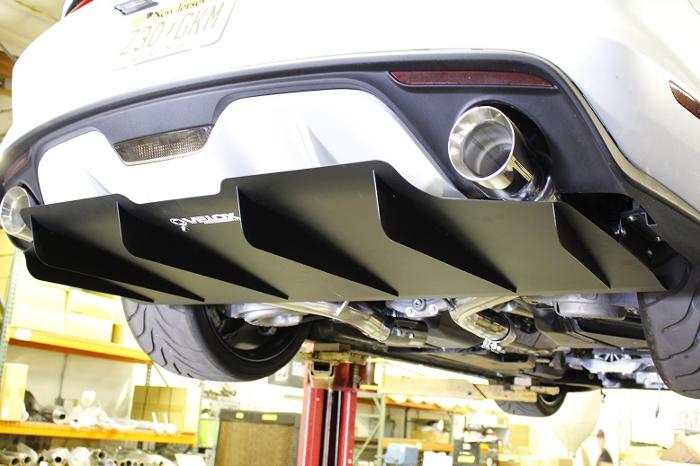
A diffuser is located at the rear underside of the car and helps expand and slow down the airflow exiting under the vehicle, creating pressure recovery and additional downforce. The correct design of diffuser can significantly improve aerodynamic efficiency.
4. Rear Wing / Spoiler
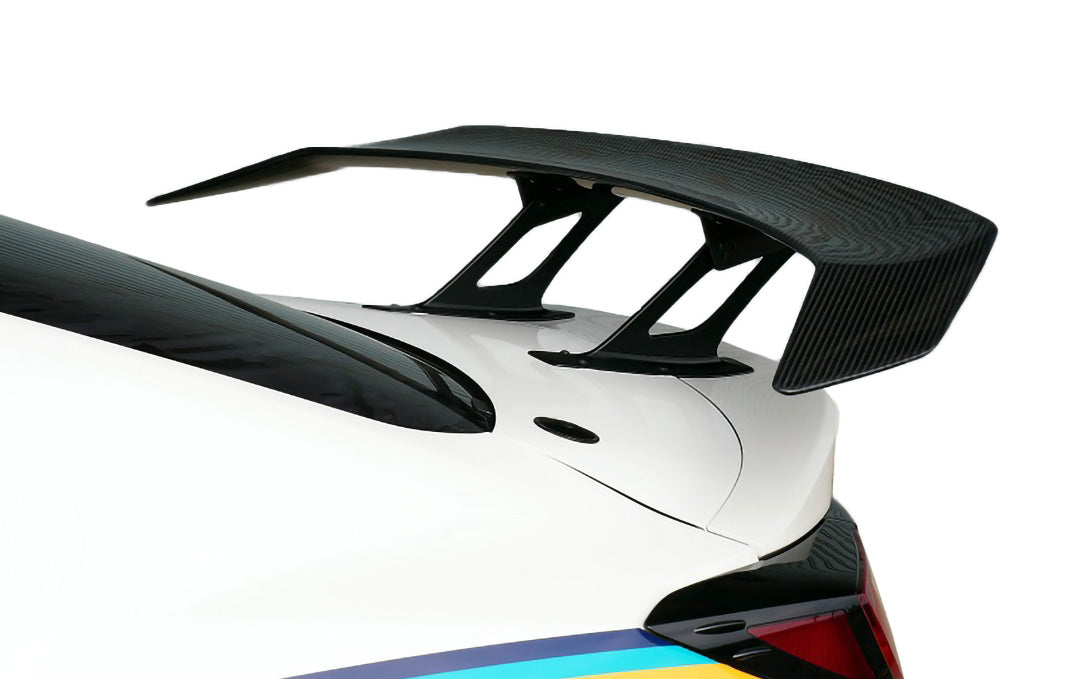
A rear wing or spoiler serves to manage airflow at the rear of the car, reducing lift, enhancing stability and in many cases generating downforce. Spoilers often also help in smoother air exit and reducing drag
5. Additional Elements (Vents, Canards, Flaps)
Small design features like Gurney flaps, venting in the hood or fenders, and specialized aero parts may also be included. While less noticeable, they refine the performance of the main aero kit by fine-tuning airflow
How to Choose the Right Aero Kit for Your Car
With many options available, selecting the correct kit is crucial for both fitment and performance.
Compatibility & Fitment
Ensure the aero kit is designed (or at least adapted) for your specific vehicle make, model and year. A poorly fitting kit may not only look off, but can degrade aerodynamic benefits or even compromise safety. As one brand emphasizes: “Each aero kit is developed for a specific vehicle and model year… no guessing, no forced fit.”
Quality of Materials
Good kits use materials like carbon fibre, fiberglass, polyurethane or reinforced plastics that can withstand speed, weathering and track use. Lower-quality materials may warp, crack or fade.
Intended Use: Street vs Track
-
Street use: Focus may be more on style, moderate aerodynamic benefit and durability for everyday driving.
-
Track use: Components may be more aggressive, lower to the ground, require more maintenance and may not be ideal for poor roads. As one resource warns: aero components that work in racing may be impractical for everyday roads.
Legal & Installation Considerations
Check local regulations regarding modifications (especially rear wings, body modifications, ground clearance). Install professionally—and always test fit before painting and finishing.
Budget & Value
A high-quality kit may cost significantly more, but will provide better fitment, durability and resale value. A cheap kit may look flashy but could compromise performance or fit.
Installation & Maintenance Tips
Proper installation and upkeep make the difference between a good upgrade and a problematic one.
Installation Steps
-
Test fit first – Place components temporarily to check alignment and verifications before painting or permanent mounting.
-
Paint and finish – For body-colored parts ensure professional paint match and finish.
-
Secure mounting – Use proper hardware, brackets, adhesives or bolts as the manufacturer recommends. Ensure secure fit especially for front splitters or low components that may contact road.
-
Ground clearance & road conditions – If your kit lowers the ride height or adds low-hanging parts, be aware of speed bumps, driveways and uneven roads.
-
Post-install check – After driving a short distance, re-check tightness of bolts and fitment.
Maintenance
-
Clean regularly: Brake dust, road grime and grit can erode finish or damage carbon fibre.
-
Inspect for damage: After potholes/curbs check low components like splitters or skirts for cracks.
-
Protect from UV and chips: Especially carbon fibre parts may fade; clear protectant or film helps.
-
Monitor fitment over time: Vibrations or loosened bolts can misalign aero parts and degrade performance or looks.
Potential Drawbacks and Things to Watch
Installing an aero kit has benefits, but also some potential pitfalls.
-
Improper design/fitting causes drag or instability: If aero parts are mis-designed, they may increase drag more than they provide downforce, or upset the car’s balance. One article recounts a user who installed a homemade kit and experienced unpredictable handling.
-
Increased cost of installation / repairs: Parts may be more expensive, harder to paint/repair, and may require maintenance more than stock body pieces.
-
Reduced clearance & practicality: Low front lips, extended skirts or wide wings may make everyday driving over speed bumps or poor roads more difficult.
-
Regulatory or insurance impacts: Some regions may restrict or penalize extreme body mods; insurance premiums may rise.
-
Resale risk if done poorly: A badly fitted or cracked kit can actually reduce value rather than add it.
It’s important to strike a balance: aesthetic + function + practicality.
Real-World Considerations: Street Use vs Track Use
If your vehicle is primarily for daily driving, you should pick an aero kit that remains practical. Too extreme a kit may look great in photos but suffer from constant scrapes or inconvenience.
If you intend to take the car to track days, then more aggressive aero (e.g., large wings, very low splitters) may be justified—but you’ll want the parts to be durable, adjustable and perhaps removable for normal driving.
Final Thoughts
The right aero kit is a valuable upgrade for both appearance and performance—when selected and installed correctly. By understanding the components, their functions, and how they integrate with your specific car and usage style, you’ll be equipped to make a smart choice.
Remember: quality material + proper fitment + realistic usage = aero kit that looks great, drives better and holds value.
If you’re ready to take the next step, check that the kit fits your car model, choose reputable manufacturers, plan installation properly, and enjoy the transformation. Your car isn’t just getting a body upgrade—it’s getting an aerodynamic advantage.
Keywords: aero kit, car aero kit, aerodynamic body kit, front splitter, rear diffuser, downforce, vehicle aerodynamics, car modification, side skirts, rear wing