
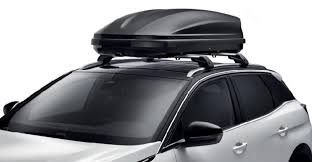
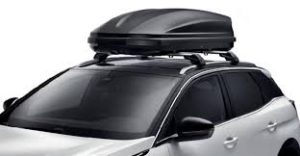
The Complete Guide to Roof Boxes: Expanding Your Car’s Storage Space in Style
When it comes to combining practicality, adventure, and design, nothing beats the convenience of a roof box. For drivers who love long road trips, camping, or simply need more luggage space, a roof box offers the perfect solution. It transforms your car into a versatile travel companion, allowing you to carry extra gear safely and efficiently.
In this comprehensive guide, we’ll explore everything you need to know about roof boxes—from how they work, their types and materials, to installation tips and maintenance. Whether you drive a compact hatchback or a large SUV, understanding the benefits and features of a roof box can completely change the way you travel.
What Is a Roof Box?
A roof box, also known as a cargo box or roof cargo carrier, is an enclosed storage container that attaches securely to the roof of a vehicle. It provides additional cargo space for luggage, sports equipment, or travel gear, without compromising passenger comfort inside the cabin.
Roof boxes come in different sizes, shapes, and materials, allowing drivers to choose the perfect fit for their needs. They are especially popular among families, outdoor enthusiasts, and road trip travelers who often run out of trunk space.
Unlike an open roof basket or cargo bag, a roof box is enclosed, meaning your items stay protected from rain, wind, and dirt—making it a practical choice for all weather conditions.
The History and Evolution of Roof Boxes
The idea of carrying cargo on the roof of vehicles dates back to the early days of motoring, when adventurers strapped luggage or camping gear to metal racks. However, these setups were often noisy, unsafe, and exposed to the elements.
In the 1950s and 60s, European car accessory manufacturers began developing aerodynamic, enclosed roof boxes to meet the growing demand for family travel. Brands like Thule and Yakima helped popularize the modern roof box design we see today—sleek, aerodynamic, durable, and easy to install.
Today, roof boxes are engineered with advanced materials and locking systems, making them not just functional but also stylish extensions of your vehicle.
How a Roof Box Works
The working principle of a roof box is simple—it attaches to a roof rack system using secure mounting clamps or U-bolts. The box is then locked in place to prevent theft or accidental opening. Once mounted, it becomes a weatherproof, aerodynamic cargo compartment.
Modern roof boxes are designed with streamlined shapes that reduce drag and wind noise. Some premium models even feature dual-side openings, allowing access from both sides of the car for maximum convenience.
The design also considers center of gravity. When properly loaded, a roof box distributes weight evenly across the roof, minimizing its impact on vehicle balance and handling.
Types of Roof Boxes
Not all roof boxes are created equal. Depending on your needs, there are several styles to choose from:
1. Standard Roof Box
This is the most common type, offering a balance between capacity and aerodynamics. It’s perfect for everyday family travel and long-distance trips.
Best for: General use, luggage, and family road trips.
2. Sports Roof Box
Sleeker and longer in shape, these boxes are designed to carry sports gear like skis, snowboards, or golf clubs. Their elongated profile allows them to fit long items without taking up too much vertical space.
Best for: Ski trips, surfing, or outdoor adventures.
3. Compact Roof Box
Shorter and smaller in capacity, compact boxes are ideal for small cars or drivers who need a lightweight option for occasional use.
Best for: City drivers, hatchbacks, and compact sedans.
4. High-Capacity Roof Box
These are larger, deeper boxes that provide maximum storage space for long trips or camping gear. While bulkier, they’re perfect for SUVs and large vehicles.
Best for: Camping, off-road, or long-distance touring.
Key Benefits of Using a Roof Box
Installing a roof box offers a variety of advantages that improve your travel experience beyond just extra space.
1. Extra Storage Capacity
A roof box can double your car’s luggage space, allowing you to carry bulky or seasonal gear that wouldn’t otherwise fit in the trunk.
2. Weather Protection
High-quality roof boxes are made from UV-resistant, waterproof materials that keep your belongings safe from rain, snow, and sun exposure.
3. Organized Travel
Instead of cramming your cabin with bags, you can store items neatly in the roof box. This keeps the interior clean and comfortable for passengers.
4. Versatility
From road trips and camping to business travel, roof boxes adapt to any situation, making them one of the most versatile car accessories available.
5. Improved Safety
Carrying heavy items on the roof may sound risky, but a properly installed roof box can actually improve weight distribution and prevent clutter inside the car that could interfere with driving.
Materials Used in Roof Boxes
Modern roof boxes are built from a variety of durable materials, each offering different benefits:
-
ABS Plastic: Lightweight, cost-effective, and resistant to UV and weather conditions.
-
Fiberglass: Offers superior strength and durability but is heavier and more expensive.
-
Polycarbonate: A high-end option combining strength and flexibility, ideal for premium boxes.
-
Aluminum (rare): Lightweight and corrosion-resistant, often used in commercial applications.
Many brands use multi-layer composite materials to balance weight, rigidity, and durability.
How to Install a Roof Box
Installing a roof box may seem intimidating, but it’s quite simple once you understand the basics. Most modern roof boxes use a quick-mount system that attaches to your vehicle’s roof rack.
Installation Steps:
-
Check Compatibility: Ensure your car has a roof rack or crossbars.
-
Position the Box: Place it centered on the roof to maintain balance.
-
Secure Mounting Brackets: Use the included clamps or U-bolts to attach it to the crossbars.
-
Tighten and Test: Make sure the box doesn’t move or rattle.
-
Lock and Load: Use the built-in locks to secure the lid and prevent theft.
💡 Pro Tip: Always follow the manufacturer’s torque and weight recommendations. Overloading or uneven placement can affect your car’s stability.
Aerodynamics and Fuel Efficiency
One common concern about roof boxes is their effect on aerodynamics and fuel economy. While adding a box increases drag slightly, aerodynamic designs and proper installation minimize this issue.
For example, a sleek roof box with a tapered rear end creates smoother airflow, reducing wind resistance and noise. On average, fuel consumption may increase by 5–10%, depending on speed, weight, and box design.
If you frequently use your roof box, removing it when not needed can restore normal fuel efficiency and reduce wear on mounting parts.
Maintenance and Care Tips
To keep your roof box in top shape, regular maintenance is essential:
-
Clean after every trip with mild soap and water to remove dirt or salt.
-
Inspect mounting points for wear or rust.
-
Lubricate locks and hinges to prevent stiffness.
-
Store properly when not in use—ideally indoors or covered.
-
Avoid overloading beyond the weight limit to prevent damage.
With proper care, a quality roof box can last 10 years or more, even with frequent use.
Safety Considerations
While roof boxes are designed for safety, following best practices ensures smooth and secure driving:
-
Don’t exceed your car’s roof load limit (check the owner’s manual).
-
Keep heavy items toward the center of the box.
-
Regularly check that the box is tightly secured.
-
Be aware of height clearance in parking garages or drive-thrus.
-
Drive slightly slower during windy conditions or high-speed travel.
Safety and awareness are key to enjoying the benefits of a roof box without risks.
Choosing the Right Roof Box for Your Car
When selecting a roof box, consider these factors:
-
Size and Volume: Match capacity (in liters) to your needs and car size.
-
Aerodynamics: Look for sleek, low-profile designs to reduce drag.
-
Mounting Compatibility: Ensure it fits your vehicle’s roof rack system.
-
Accessibility: Dual-side opening boxes are more convenient.
-
Security: Check for reliable locks and anti-theft systems.
-
Brand Reputation: Trusted brands like Thule, Yakima, and INNO offer safety-tested products.
Conclusion
A roof box is more than a travel accessory—it’s a gateway to freedom, adventure, and comfort. It allows you to carry more, travel farther, and enjoy every journey with peace of mind.
From family vacations to off-road expeditions, roof boxes provide the perfect balance of practicality and design. Whether you drive a compact car or a rugged SUV, investing in a high-quality roof box ensures your gear stays secure, your passengers stay comfortable, and your adventures stay unforgettable.
So the next time you plan a road trip, don’t compromise on space—add a roof box and hit the road with confidence.
Recommended Featured Image:
A sleek silver SUV equipped with a black aerodynamic roof box, parked near a mountain landscape under bright daylight.