
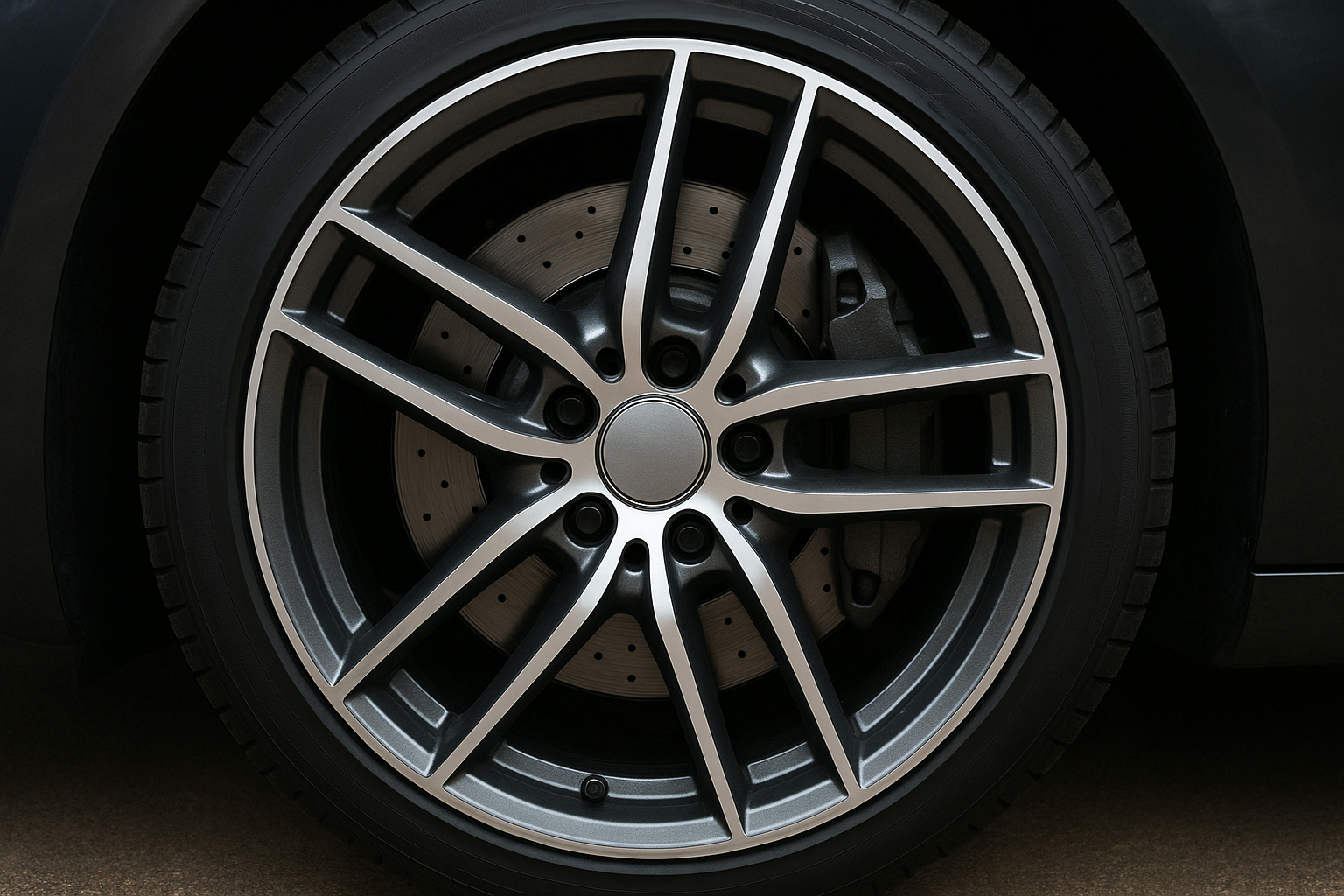
The Complete Guide to Car Rims: Types, Materials, and Maintenance Tips
Car rims are more than just a stylish accessory — they play a crucial role in vehicle performance, safety, and comfort. Choosing the right rim can enhance your driving experience, improve fuel efficiency, and even boost your car’s overall appearance. In this article, we’ll explore everything you need to know about car rims — including their types, materials, designs, and how to take proper care of them.
1. What Are Car Rims?
In simple terms, a car rim is the outer edge of the wheel that holds the tire in place. The rim forms a tight seal with the tire’s bead, ensuring air pressure remains stable inside the tire. While many people use the terms rims and wheels interchangeably, technically, the rim is just one part of the entire wheel assembly.
Modern car rims not only serve a functional purpose but also contribute to a car’s aesthetics. From sleek alloy rims to bold chrome designs, the rim you choose can completely transform your vehicle’s look.
2. Types of Car Rims
Car rims come in various designs and constructions, each offering unique advantages in terms of performance, durability, and cost. Here are the most common types:
a. Steel Rims
Steel rims are the most basic and affordable option. They are known for their strength and durability, making them ideal for heavy-duty vehicles and rough road conditions. However, they are also heavier than alloy rims, which can slightly reduce fuel efficiency and acceleration.
Pros:
-
Highly durable
-
Cost-effective
-
Great for winter or off-road driving
Cons:
-
Heavier than alloys
-
Less visually appealing
b. Alloy Rims
Alloy rims are made from a blend of aluminum or magnesium, offering an excellent balance between strength and lightness. They dissipate heat better, improving braking performance and fuel efficiency. Alloy rims are also more stylish and come in various designs and finishes.
Pros:
-
Lightweight and strong
-
Better heat conduction
-
Wide range of stylish designs
Cons:
-
More expensive
-
Prone to cracks from strong impact
c. Chrome Rims
Chrome rims are coated with a thin layer of chromium for a mirror-like finish. While they are mostly aesthetic, chrome plating also offers a layer of protection against corrosion. However, they require regular cleaning to maintain their shine.
Pros:
-
Stunning appearance
-
Corrosion-resistant finish
Cons:
-
Expensive
-
High maintenance
d. Custom Rims
Custom rims are designed specifically to suit an owner’s style or performance needs. They can include unique colors, patterns, and sizes that deviate from factory standards. Customization allows car enthusiasts to make their vehicle stand out from the rest.
3. Materials Used in Car Rims
The performance of a car rim largely depends on the material used in its construction. The most common materials include:
-
Aluminum Alloy: Lightweight, corrosion-resistant, and ideal for most passenger cars.
-
Magnesium Alloy: Even lighter than aluminum but less durable and more expensive.
-
Steel: Strong and cost-effective, but heavier.
-
Carbon Fiber: Extremely lightweight and strong, mostly found in high-performance sports cars.
Choosing the right material depends on your driving style, environment, and budget. For everyday use, aluminum alloy rims are the most popular and practical option.
4. How to Choose the Right Rims for Your Car
Selecting the right rims involves more than just picking a stylish design. Here are some factors to consider:
a. Size and Fitment
Always check your vehicle’s manufacturer specifications for the correct rim size. Installing rims that are too large or too small can affect speedometer accuracy, handling, and suspension.
b. Bolt Pattern
Ensure that the rim’s bolt pattern matches your vehicle’s wheel hub. Using incompatible rims can be dangerous and cause vibration or wheel misalignment.
c. Offset and Backspacing
These measurements determine how far the rim sits in relation to the suspension and fender. Improper offset can cause rubbing issues or affect steering performance.
d. Design and Finish
Choose a style that complements your car’s look. Matte black, silver, chrome, and gunmetal finishes are popular choices that can dramatically change your car’s appearance.
5. Maintenance Tips for Car Rims
Keeping your rims in good condition not only maintains their appearance but also extends their lifespan. Here are a few maintenance tips:
-
Clean Regularly: Brake dust, dirt, and road grime can corrode the rim’s finish. Use mild soap and a soft brush to clean your rims regularly.
-
Avoid Harsh Chemicals: Strong wheel cleaners can strip protective coatings. Choose pH-balanced cleaning products.
-
Check for Damage: Inspect for cracks, dents, or bends after hitting potholes or curbs. Damaged rims can lead to tire leaks or poor handling.
-
Protective Coating: Apply wax or rim sealant to protect against oxidation and corrosion.
-
Tire Pressure: Maintain proper tire pressure to avoid unnecessary stress on the rim edges.
6. The Role of Rims in Vehicle Performance
Rims don’t just influence how your car looks — they also impact how it performs. Lightweight rims improve acceleration, braking, and fuel efficiency, while heavier rims can enhance stability. Properly balanced rims also reduce vibration, making your ride smoother and safer.
For performance-oriented drivers, upgrading to high-quality alloy or carbon fiber rims can provide a noticeable improvement in cornering and overall handling.
Conclusion
Car rims are a perfect blend of function and style. They play a vital role in vehicle safety, efficiency, and aesthetics. Whether you prefer durable steel rims, stylish alloys, or eye-catching chrome finishes, the right choice depends on your driving habits and personal taste.
Regular maintenance and careful selection ensure that your rims not only look great but also perform flawlessly for years to come. In short, your rims are not just accessories — they’re the foundation of a better, safer, and more stylish drive.
Keywords: car rims, alloy wheels, steel rims, chrome rims, car wheel maintenance, best rims for cars, rim types, custom car rims