
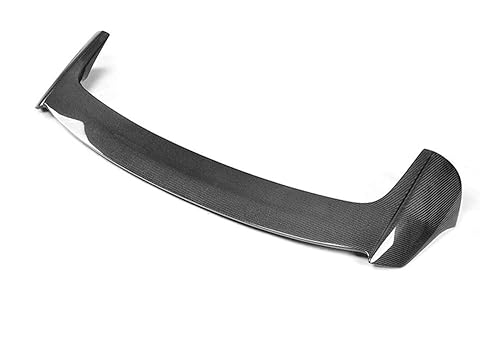
The Ultimate Guide to Real Upper Spoilers: Function, Style, and Performance for Modern Cars
When it comes to automotive modifications that perfectly combine style and performance, few upgrades make a bigger statement than a real upper spoiler. Often seen on sports cars and performance vehicles, a spoiler isn’t just for looks—it plays a crucial role in aerodynamics, stability, and handling.
In this comprehensive guide, we’ll explore everything you need to know about real upper spoilers: what they are, how they work, their benefits, the different types available, and how to choose and install one for your vehicle.
What Is a Real Upper Spoiler?
A real upper spoiler (also known as a rear wing or rear spoiler) is an aerodynamic component installed on the rear section of a vehicle, typically above the trunk or tailgate. Its primary purpose is to manage airflow around the vehicle to improve stability at higher speeds.
Unlike decorative or “fake” spoilers that serve no real purpose beyond aesthetics, a real spoiler is designed using aerodynamic principles. It effectively reduces lift and increases downforce, keeping the car planted on the road, especially during high-speed cornering or acceleration.
In short, a real upper spoiler isn’t just about looking fast—it’s about going fast safely and efficiently.
The Science Behind a Spoiler
To understand why spoilers are important, we need to talk about aerodynamics.
When a car moves forward, air flows over and under the vehicle. The air moving over the top travels faster, creating lower pressure that lifts the car slightly—this is called aerodynamic lift. At high speeds, lift can cause instability, making the car feel “light” or difficult to control.
A spoiler counteracts this by “spoiling” the airflow. It disrupts and redirects air to reduce lift and increase downforce on the rear wheels. This helps improve grip, stability, and overall handling performance.
In high-performance and racing vehicles, the aerodynamic balance between the front and rear spoilers can significantly affect lap times and driving precision.
A Brief History of Spoilers
Spoilers made their first appearance in the 1950s and 60s, during the rise of motorsports like Formula 1 and Le Mans racing. Engineers discovered that aerodynamic drag and lift were major limitations for high-speed performance.
Cars such as the Ferrari 250 GTO, Porsche 911 Carrera RS, and Dodge Charger Daytona began using early forms of rear spoilers and wings to increase traction at high speeds.
By the 1980s, spoilers became mainstream, appearing on production vehicles not only for performance but also for aesthetics. Today, spoilers are a standard feature on many modern cars—from sporty hatchbacks to luxury sedans—thanks to their functional and visual appeal.
Types of Real Upper Spoilers
There are various types of spoilers, each with distinct functions and styles. Here are the most common types used in modern automotive design:
1. Lip Spoiler
A subtle and clean design that extends slightly from the edge of the trunk lid. Lip spoilers are ideal for enhancing style without drastically altering aerodynamics.
Best for: Daily drivers, sedans, and coupes.
2. Ducktail Spoiler
Named for its upward “ducktail” shape, this spoiler adds moderate downforce and a sporty retro look. It’s commonly found on classic muscle cars and Porsche models.
Best for: Sports coupes and performance cars.
3. Raised Wing Spoiler
A more aggressive and functional design, featuring mounts that raise the spoiler above the trunk surface. Raised spoilers generate significant downforce and are often made from lightweight materials like carbon fiber or aluminum.
Best for: Track cars and high-performance vehicles.
4. Active Aero Spoiler
Found in high-end sports cars, this spoiler automatically adjusts its angle based on speed and driving conditions, optimizing aerodynamic efficiency in real time.
Best for: Supercars and performance-oriented vehicles with electronic control systems.
5. Roof-Mounted Upper Spoiler
Typically installed on hatchbacks or SUVs, this spoiler sits at the top edge of the rear window to improve airflow and reduce turbulence behind the vehicle.
Best for: Hatchbacks, SUVs, and crossovers.
Benefits of Installing a Real Upper Spoiler
A real upper spoiler offers more than just aesthetic enhancement. It provides several tangible benefits that improve both performance and driving experience.
1. Improved Stability and Control
By generating downforce, a spoiler helps keep the rear tires firmly planted, especially at high speeds. This increases traction, braking stability, and cornering performance.
2. Reduced Drag and Turbulence
Properly designed spoilers help streamline airflow, reducing drag and turbulence at the rear of the vehicle. This can slightly improve fuel efficiency and top speed.
3. Enhanced Braking Performance
More downforce means more tire grip, which can improve braking distance and control during sudden stops.
4. Aesthetic Appeal
Let’s be honest—a car with a spoiler simply looks more dynamic and aggressive. It gives your vehicle a racing-inspired appearance that stands out from the crowd.
5. Increased Resale and Enthusiast Value
For car enthusiasts, a well-chosen and properly installed real upper spoiler can enhance the vehicle’s value and desirability.
Materials Used in Real Upper Spoilers
The performance and cost of a spoiler often depend on its construction material. The most common materials include:
-
ABS Plastic: Lightweight and affordable, suitable for factory-style spoilers.
-
Fiberglass: Easy to shape and repair but slightly heavier.
-
Carbon Fiber: Extremely lightweight and strong, ideal for high-performance cars.
-
Aluminum: Durable and commonly used in racing-style wing spoilers.
-
Polyurethane: Flexible and impact-resistant, suitable for street applications.
Installation Process
Installing a real upper spoiler can range from simple bolt-on applications to more complex modifications requiring professional assistance. Here’s a general overview:
-
Preparation – Clean the surface thoroughly and gather all tools and hardware.
-
Measurement and Marking – Accurately mark the drilling points or mounting areas.
-
Mounting the Spoiler – Attach the spoiler using bolts, adhesive tape, or factory mounts.
-
Alignment Check – Ensure it sits evenly and symmetrically.
-
Final Adjustment – Tighten bolts and seal holes to prevent water leaks.
For spoilers designed to provide functional downforce, professional installation and precise alignment are strongly recommended to avoid aerodynamic imbalance.
Common Mistakes to Avoid
While spoilers can enhance both style and performance, improper installation or selection can lead to the opposite effect. Here are common mistakes to avoid:
-
Choosing a non-functional or poorly designed spoiler that adds drag instead of reducing it.
-
Installing without considering car aerodynamics or balance.
-
Using cheap materials that crack or fade easily.
-
Ignoring professional alignment, which may cause instability at high speeds.
Remember: a spoiler is a functional aerodynamic tool, not just a decorative accessory.
Maintenance Tips
To keep your real upper spoiler in top condition:
-
Clean regularly using mild soap and water to remove debris and prevent paint damage.
-
Inspect mounting points for looseness or corrosion.
-
Avoid harsh chemicals that can damage clear coat or carbon fiber surfaces.
-
Check alignment periodically, especially if you drive on rough roads or tracks.
-
Repaint or polish occasionally to maintain a glossy, factory-like finish.
Real Upper Spoiler vs. Fake Spoiler
A real upper spoiler is aerodynamically tested and designed to improve performance. A fake spoiler, however, is purely decorative and may even worsen airflow efficiency.
| Feature | Real Upper Spoiler | Fake Spoiler |
|---|---|---|
| Function | Reduces lift, adds downforce | Only aesthetic |
| Material | High-quality carbon fiber, ABS, or aluminum | Cheap plastic |
| Installation | Professionally aligned | Simple adhesive |
| Performance Impact | Improves handling and stability | None or negative |
If performance and safety matter, always choose authentic, wind-tunnel-tested spoilers from reputable brands or manufacturers.
Conclusion
A real upper spoiler is one of the most impactful upgrades you can make to your car — both visually and mechanically. Beyond its sporty look, it enhances aerodynamics, stability, braking, and handling, making your driving experience more confident and exciting.
Whether you drive a sporty coupe, a hatchback, or a sedan, investing in a high-quality spoiler is a decision that combines form and function. Just remember: the best spoilers are not just for show—they’re engineered to perform.
So, if you’re looking to give your vehicle a performance boost and a head-turning appearance, a real upper spoiler might be the perfect addition to your build.
Recommended Featured Image:
A high-quality photo of a sports car equipped with a carbon-fiber rear spoiler, captured from a low rear angle under bright daylight.