
The Complete Guide to Car Tires: The Foundation of Safety, Comfort, and Performance
Tires are often considered one of the most underrated components of a vehicle. While car enthusiasts may focus on engines, brakes, or suspensions, tires are the only parts of a car that actually make contact with the road. They play a critical role in safety, handling, fuel efficiency, and ride comfort.
Whether you drive a compact city car, a rugged SUV, or a high-performance sports car, understanding your tires can make a huge difference in how your vehicle performs. This guide explores everything you need to know about car tires—from types and maintenance to how they affect performance and safety.
What Are Car Tires?
A tire is a circular, flexible component made primarily of rubber, fabric, and steel, designed to provide traction, absorb shocks, and support the vehicle’s weight. It’s mounted onto a wheel rim and filled with air (or sometimes nitrogen) to create the necessary pressure for proper function.
Modern tires are highly engineered products, consisting of multiple layers that work together to deliver grip, comfort, and durability. The main components include:
-
Tread: The outer surface that contacts the road and provides traction.
-
Sidewall: The side area of the tire that offers flexibility and strength.
-
Bead: The inner edge that ensures the tire fits tightly on the rim.
-
Carcass: Layers of fabric or steel that give structure and strength.
-
Belt: Reinforced layers beneath the tread that enhance durability and control.
A Brief History of Tires
The story of tires began in the 19th century when inventors experimented with rubber as a cushioning material for wheels. In 1845, Robert William Thomson patented the first air-filled tire, but it was John Boyd Dunlop who commercialized the concept in 1888, revolutionizing the transportation industry.
By the early 1900s, pneumatic (air-filled) tires became standard in automobiles. As technology progressed, tire manufacturers introduced radial tires, tubeless designs, and synthetic rubber compounds, improving performance and longevity.
Today, tire technology incorporates computer simulations, nanomaterials, and advanced tread patterns for better grip, fuel efficiency, and environmental sustainability.
Types of Car Tires
Different driving conditions and vehicle types require specific tires. Here are the most common categories:
1. All-Season Tires
The most popular choice for everyday driving, all-season tires offer balanced performance in wet, dry, and mild winter conditions. They’re ideal for drivers who experience moderate weather year-round.
2. Summer Tires
Designed for warm climates, summer tires provide superior grip and handling on dry or wet roads but lose effectiveness in cold or snowy conditions.
3. Winter Tires
Also known as snow tires, these feature special rubber compounds and deep tread patterns that remain flexible in cold temperatures, improving traction on snow and ice.
4. Performance Tires
Performance tires are built for speed and precision. They provide enhanced grip and cornering ability, commonly used in sports cars and high-performance vehicles.
5. Touring Tires
Touring tires focus on comfort, quietness, and long tread life. They are commonly used on sedans and luxury cars for smooth highway cruising.
6. Off-Road / All-Terrain Tires
Used on trucks and SUVs, these tires feature aggressive tread designs for traction on gravel, mud, and uneven terrain while maintaining decent on-road manners.
7. Run-Flat Tires
Run-flat tires are engineered to support the vehicle even after losing air pressure, allowing drivers to continue driving for a limited distance (usually 50–80 km) at reduced speeds.
How Tires Affect Vehicle Performance
Tires directly influence how your car behaves on the road. Here’s how they impact key performance factors:
1. Traction and Grip
The tread pattern and rubber compound determine how well your tires grip the road. Softer compounds provide better traction but wear out faster, while harder compounds last longer but may sacrifice grip.
2. Handling and Cornering
High-quality tires improve responsiveness and stability when turning. Performance tires, in particular, feature stiffer sidewalls for sharper handling.
3. Braking Distance
Tires with good traction reduce braking distance, especially in wet or slippery conditions. Worn-out or cheap tires can dramatically increase stopping time, posing safety risks.
4. Fuel Efficiency
Low rolling resistance tires minimize friction, helping your car consume less fuel. Proper tire inflation also plays a major role in fuel economy.
5. Comfort and Noise
Touring or all-season tires are optimized for quiet operation and ride comfort, while performance or off-road tires may generate more road noise due to their tread design.
Understanding Tire Markings
Every tire has a unique code printed on its sidewall that provides important information. For example:
205/55 R16 91V
Here’s what it means:
-
205: Tire width in millimeters
-
55: Aspect ratio (height-to-width ratio)
-
R: Radial construction
-
16: Wheel diameter in inches
-
91: Load index (maximum load capacity)
-
V: Speed rating (maximum speed capability)
Understanding these markings helps you select the right tires for your vehicle.
Tire Maintenance: Key to Longevity and Safety
Proper maintenance not only extends tire life but also ensures safety and performance. Here are essential maintenance tips:
-
Check Tire Pressure Regularly
Underinflated tires cause poor fuel economy and uneven wear. Overinflated tires reduce traction and ride comfort. Use a tire gauge to check pressure monthly. -
Rotate Tires Every 8,000–10,000 km
Rotating tires ensures even wear, improving lifespan and balance. -
Wheel Alignment and Balancing
Misalignment causes uneven wear and affects steering stability. Get your alignment checked if your car pulls to one side. -
Inspect Tread Depth
Tires should have at least 1.6 mm (2/32 inch) of tread depth. Use a tread depth gauge or the “penny test” to check. -
Avoid Overloading
Excess weight puts strain on your tires and suspension, increasing the risk of blowouts. -
Replace Old Tires
Even if tread looks fine, replace tires every 5–6 years as rubber degrades over time.
Signs You Need New Tires
Recognizing when to replace your tires can prevent accidents and improve performance. Look out for these warning signs:
-
Cracks or bulges on the sidewalls
-
Uneven tread wear
-
Vibrations while driving
-
Frequent loss of air pressure
-
Tread depth below the legal limit
If you notice any of these, it’s time to visit a tire specialist.
Choosing the Right Tires for Your Vehicle
When selecting new tires, consider the following factors:
-
Driving Conditions: Urban, highway, or off-road use.
-
Climate: Choose between summer, winter, or all-season tires.
-
Performance Needs: Comfort, fuel efficiency, or sporty handling.
-
Tire Size: Follow the manufacturer’s recommendations for size and load index.
-
Budget: While premium brands offer longer life and better performance, many mid-range options balance quality and cost effectively.
Brands like Michelin, Bridgestone, Goodyear, Pirelli, and Continental are globally recognized for reliability and innovation.
The Future of Tire Technology
The tire industry is rapidly evolving to meet modern automotive trends. Here are some exciting innovations shaping the future:
-
Airless Tires: Solid designs that eliminate the risk of punctures or blowouts.
-
Smart Tires: Equipped with sensors that monitor temperature, pressure, and wear in real time.
-
Eco-Friendly Materials: Manufacturers are developing sustainable rubber compounds and recycling technologies to reduce environmental impact.
-
EV-Specific Tires: Electric vehicles require tires optimized for instant torque and low noise levels.
These advancements are paving the way for safer, smarter, and more efficient driving experiences.
Conclusion
Tires are more than just black rubber circles — they are the foundation of your car’s safety, comfort, and performance. From providing grip on slippery roads to ensuring fuel efficiency and smooth handling, tires play a crucial role in every journey you take.
By understanding how they work and maintaining them properly, you not only extend their lifespan but also enhance your vehicle’s overall performance and safety.
So next time you’re behind the wheel, remember: your tires are the only thing between you and the road—treat them with the care they deserve.
Recommended Featured Image:
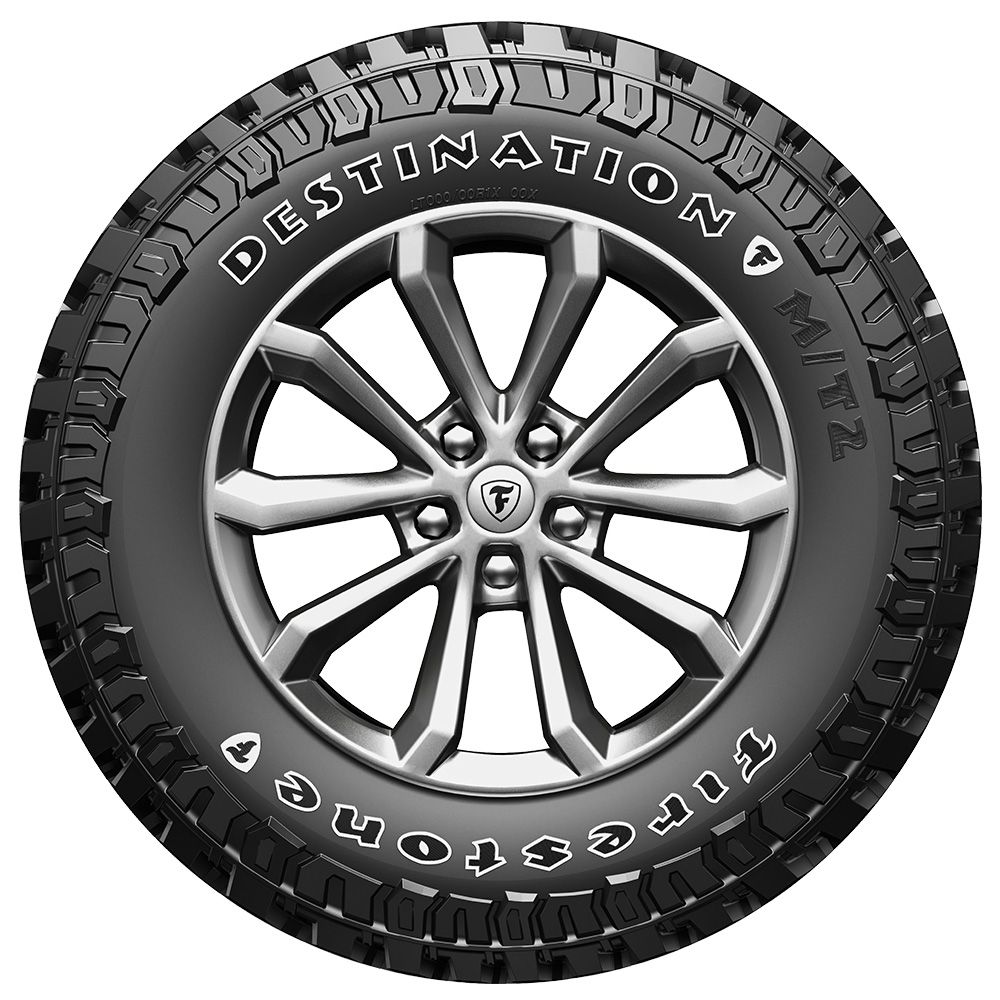
A close-up image of a car tire showing detailed tread patterns on a clean asphalt road.