
The Complete Guide to Car Air Filters: How They Work, Why They Matter, and When to Replace Them
When it comes to maintaining your car’s performance and longevity, one of the most overlooked yet essential components is the air filter. Though small and inexpensive, this simple part plays a crucial role in keeping your engine healthy, efficient, and powerful.
Whether you drive a high-performance sports car or a daily commuter, understanding how your car’s air filter works—and knowing when to replace it—can make a big difference in fuel economy, power output, and even the air you breathe inside the cabin.
This article will explore everything you need to know about car air filters: their function, types, signs of wear, benefits, and maintenance tips.
What Is a Car Air Filter?
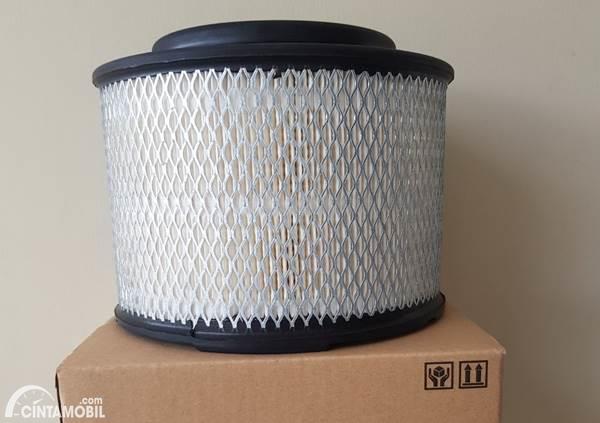
A car air filter is a component located in the engine’s air intake system. Its primary job is to clean the air that enters the engine by trapping dust, dirt, debris, and other contaminants.
Engines need a precise mixture of air and fuel to run efficiently. If dirty air enters the combustion chamber, it can cause incomplete combustion, reduce performance, and damage internal components over time.
Essentially, the air filter acts as the first line of defense for your engine, ensuring that only clean, oxygen-rich air reaches the cylinders.
How Does a Car Air Filter Work?
When your engine runs, it draws air through the intake system. Before reaching the engine, this air passes through the filter material—typically made of paper, foam, or cotton gauze.
The filter material captures particles as small as 5 to 50 microns, including dust, sand, pollen, and insects. Clean air then flows into the engine, where it mixes with fuel for combustion.
If the air filter becomes clogged with debris, airflow decreases, which forces the engine to work harder and reduces overall performance and fuel efficiency. That’s why regular inspection and replacement are essential.
Types of Car Air Filters
Not all air filters are created equal. The type of filter your car uses can impact airflow, performance, and maintenance intervals. Here are the most common types:
1. Paper Air Filters
Paper filters are the most common type found in factory-installed systems. Made from pleated, treated paper, they offer good filtration and are inexpensive.
-
Pros: Affordable, effective for daily driving.
-
Cons: Not reusable; must be replaced regularly.
2. Foam Air Filters
Made from polyurethane foam, these filters are often used in off-road or racing applications because they can trap larger dirt particles.
-
Pros: Excellent dirt-holding capacity.
-
Cons: Requires frequent cleaning and oiling.
3. Cotton Gauze Air Filters
High-performance cars often use cotton gauze filters (like those made by K&N). They allow greater airflow and are washable and reusable.
-
Pros: Improves airflow and performance; long-lasting.
-
Cons: More expensive; needs regular maintenance.
4. Carbon-Activated Air Filters
These filters include a layer of activated carbon to absorb odors, gases, and pollutants. They’re often used for cabin air filtration but also appear in some engine applications.
-
Pros: Removes odors and harmful fumes.
-
Cons: Slightly more expensive.
5. Performance Cone Filters
These are aftermarket upgrades designed for improved airflow. Usually installed with a cold air intake system, they can boost horsepower and throttle response.
-
Pros: Better performance and sporty sound.
-
Cons: Can let in more contaminants if not maintained properly.
Benefits of a Clean Air Filter
Many drivers underestimate how much a clean air filter can improve their car’s performance. Here’s what you gain from keeping it in good condition:
1. Improved Engine Performance
A clean air filter ensures your engine gets the right amount of air for optimal combustion, resulting in smoother acceleration and more power.
2. Better Fuel Efficiency
When airflow is restricted, the engine compensates by burning more fuel. A clean air filter helps maintain the perfect air-fuel ratio, improving fuel economy by up to 10%.
3. Reduced Emissions
A clean air filter promotes complete combustion, reducing unburned fuel and harmful emissions like carbon monoxide and hydrocarbons.
4. Prolonged Engine Life
Dust and debris can cause wear and tear inside the engine. Filtering these particles prevents internal damage, extending the life of your pistons, valves, and cylinders.
5. Smoother Driving Experience
With clean airflow, your engine runs more efficiently and consistently, resulting in a quieter, more responsive drive.
Signs That Your Air Filter Needs Replacement
Even the best air filters have a limited lifespan. Here are common signs that it’s time for a replacement:
-
Reduced Acceleration or Power
Your car feels sluggish or slow to respond when accelerating. -
Decreased Fuel Efficiency
You notice more frequent trips to the gas station. -
Black Smoke from Exhaust
A clogged air filter can cause incomplete combustion. -
Unusual Engine Sounds
The engine may sputter, cough, or misfire due to insufficient air intake. -
Check Engine Light
Modern vehicles detect irregular air-to-fuel ratios and may trigger this warning. -
Visual Inspection
If the filter looks dark, dirty, or clogged with debris, it’s time for a change.
How Often Should You Replace Your Air Filter?
Most manufacturers recommend replacing the air filter every 12,000 to 15,000 miles (20,000–24,000 km) or at least once a year.
However, the interval depends on your driving conditions:
-
City Driving: Replace more often due to dust and pollution.
-
Rural or Off-Road Driving: Check every 5,000 miles.
-
High-Performance Cars: Replace or clean as specified by the manufacturer.
Always check your owner’s manual for specific maintenance intervals.
How to Replace a Car Air Filter (Step-by-Step)
Replacing your air filter is one of the simplest DIY maintenance tasks. Here’s how to do it:
-
Locate the Air Filter Box
Usually near the engine, secured by clips or screws. -
Open the Cover
Release the clips or bolts and lift the lid. -
Remove the Old Filter
Take note of how it’s positioned before removing. -
Clean the Housing (Optional)
Wipe away dust or debris inside the air box. -
Insert the New Filter
Make sure it fits snugly and in the correct orientation. -
Close the Cover
Reattach clips or screws, ensuring a tight seal. -
Start the Engine
Listen for smooth operation and check for any warning lights.
That’s it — a 10-minute task that can dramatically improve your car’s health and performance.
OEM vs. Aftermarket Air Filters
When replacing your air filter, you can choose between OEM (Original Equipment Manufacturer) and aftermarket brands.
-
OEM Filters: Designed specifically for your car’s make and model, offering perfect fit and reliable filtration.
-
Aftermarket Filters: Often provide better airflow and are reusable, especially in performance applications.
If you prioritize reliability and convenience, OEM is the safer choice. But if you’re aiming for performance and longevity, aftermarket reusable filters like K&N or AEM can be a worthwhile investment.
Common Myths About Air Filters
Let’s debunk a few common misconceptions:
-
❌ “Air filters don’t affect performance.”
In fact, a clogged filter can reduce horsepower by up to 10%. -
❌ “All filters are the same.”
Materials and designs vary widely; premium filters offer better flow and protection. -
❌ “Reusable filters are maintenance-free.”
They require proper cleaning and oiling to work effectively.
Understanding these differences helps you choose the best air filter for your needs.
Environmental Impact of Air Filters
While air filters are small, millions of them end up in landfills each year. Choosing reusable filters can reduce waste and environmental impact. Some brands even recycle old filters or use biodegradable materials.
Proper maintenance not only helps your car but also contributes to a greener planet.
Conclusion
Your car’s air filter may seem like a minor component, but it plays a major role in engine health, efficiency, and performance. Keeping it clean ensures your vehicle breathes easy—just like you do.
Whether you opt for a standard paper filter or a high-performance cotton gauze version, regular inspection and replacement are key. A clean air filter means better fuel economy, smoother driving, and a longer-lasting engine.
So next time you pop the hood, don’t overlook that small rectangular box — it’s the gateway to your car’s performance and longevity.
Recommended Featured Image:
A detailed photo of a clean car air filter being installed in the engine bay, emphasizing the pleated design and clean airflow path.