
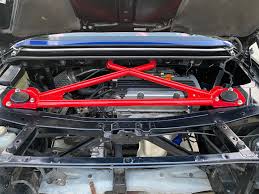
The Complete Guide to Strut Bars: How They Improve Handling and Stability
In the world of automotive performance and tuning, there are countless modifications aimed at improving how a car drives, feels, and handles. One of the most underrated yet effective upgrades you can make to your vehicle’s chassis is the strut bar—also known as a strut tower brace.
While it may look like a simple metal bar connecting the tops of your car’s suspension towers, the strut bar plays a crucial role in reinforcing structural rigidity, enhancing cornering performance, and delivering a more connected driving experience.
In this article, we’ll explore everything you need to know about strut bars: what they do, how they work, their benefits, types, installation process, and whether they’re worth the investment.
What Is a Strut Bar?
A strut bar is a rigid metal or carbon-fiber brace that connects the tops of a vehicle’s left and right suspension strut towers. These towers are key points where the suspension components attach to the car’s chassis.
During hard cornering or aggressive driving, these towers can flex or shift slightly due to the lateral forces acting on the car. This flexing can negatively affect steering response, handling precision, and even tire wear.
By tying the two towers together with a strut bar, the chassis becomes more rigid, reducing flex and allowing the suspension to operate as designed. The result is a more stable, predictable, and responsive ride.
The Science Behind Strut Bars
To understand how a strut bar works, it helps to know a bit about chassis dynamics. When a car turns, centrifugal force pushes it outward. The suspension absorbs this force, but the strut towers can bend slightly under pressure, altering wheel alignment angles (like camber and toe).
Even small changes in alignment during cornering can reduce tire grip and steering precision.
A strut bar acts as a brace, keeping the strut towers from moving independently. It essentially spreads the load evenly across the front (or rear) of the car, allowing the suspension to maintain its designed geometry.
In high-performance cars or vehicles used for track days, this can make a noticeable difference in steering accuracy, cornering stability, and driver confidence.
Types of Strut Bars
There are several types of strut bars designed for different applications and vehicle setups. Understanding each type will help you choose the right one for your car.
1. Front Strut Bar
The most common type, the front strut bar connects the tops of the front suspension towers, typically located in the engine bay. It improves front-end rigidity, steering response, and overall handling. This is the best starting point for most drivers.
2. Rear Strut Bar
Mounted in the trunk or rear area of the vehicle, the rear strut bar enhances rear chassis stiffness. It’s especially useful for hatchbacks and coupes, which tend to have more body flex in the rear.
3. Lower Tie Bar
Installed beneath the chassis, a lower tie bar connects the lower suspension arms, reducing flex in the undercarriage. It’s often used in combination with upper strut bars for maximum rigidity.
4. Multi-Point Strut Bar
Some high-performance setups use three-point or four-point bars, which connect additional points in the chassis (like the firewall or lower frame). These are more complex but provide superior stiffness and handling balance.
Materials Used in Strut Bars
The material of a strut bar affects its strength, weight, and cost. Here are the most common materials used:
-
Steel: Durable and cost-effective but heavier. Suitable for street cars.
-
Aluminum: Lightweight and corrosion-resistant. Ideal for performance and daily driving.
-
Carbon Fiber: Ultra-light and strong, used in high-end and racing applications. Expensive but offers the best performance-to-weight ratio.
For most drivers, aluminum strut bars strike the best balance between performance and affordability.
Benefits of Installing a Strut Bar
Although adding a strut bar may seem like a small modification, the benefits it brings can be surprisingly significant, especially for those who enjoy spirited driving.
1. Improved Handling and Cornering Stability
The primary advantage of a strut bar is better handling. By reducing chassis flex, it allows the suspension to perform more consistently. The car feels more planted when turning and more stable when changing lanes at high speeds.
2. Enhanced Steering Response
A stiffer chassis translates into quicker steering feedback. You’ll notice that the steering wheel feels tighter and more precise, especially when taking corners or driving on winding roads.
3. Reduced Body Flex
Over time, continuous flexing of the chassis can lead to structural fatigue. A strut bar minimizes this flex, helping maintain your car’s rigidity and prolonging its structural lifespan.
4. Better Suspension Performance
When the strut towers stay in place, the suspension geometry remains optimal. This results in more predictable tire contact with the road, improving traction and grip.
5. Enhanced Driving Confidence
Even for everyday driving, a strut bar provides a more connected feel between the driver and the road. The vehicle feels tighter and more responsive, giving you greater control and confidence behind the wheel.
Are There Any Drawbacks?
While strut bars offer clear performance advantages, they aren’t perfect for every situation.
-
Limited Impact on Daily Driving:
On regular city roads or highways, you might not feel a huge difference unless you drive aggressively. -
Reduced Engine Bay Space:
For front strut bars, installation can slightly reduce working space under the hood. -
Weight Addition:
Though minimal, the added weight (especially from steel bars) can slightly affect performance if you’re chasing maximum lightness.
Despite these minor downsides, the overall benefits often outweigh the drawbacks—particularly for drivers who value handling and precision.
Strut Bar Installation Process
Installing a strut bar is relatively simple and can often be done at home with basic tools. However, correct installation is crucial for performance and safety.
Step-by-Step Overview:
-
Park on a Level Surface: Ensure the car is stable and on flat ground.
-
Open the Hood (or Trunk): Locate the strut towers.
-
Loosen Strut Mount Bolts: Typically, each tower has two or three nuts securing the strut mount.
-
Position the Strut Bar: Align the bar’s mounting holes with the strut tower bolts.
-
Tighten the Bolts: Secure everything with the manufacturer’s recommended torque settings.
-
Check Clearance: Ensure no contact with the engine or hood when closed.
💡 Tip: After installation, have your alignment checked if you notice any handling changes.
Maintenance and Longevity
A strut bar requires minimal maintenance, but periodic checks can ensure it performs at its best:
-
Inspect bolts and connections every few months to ensure tightness.
-
Clean regularly to prevent corrosion (especially for steel or aluminum).
-
Check for cracks or fatigue if the car is used for racing or track events.
With proper care, a high-quality strut bar can last the lifetime of your car.
Do You Really Need a Strut Bar?
The answer depends on your driving style and vehicle type.
If you primarily use your car for commuting and rarely push it to its limits, the difference may be subtle. However, if you enjoy spirited driving, mountain runs, or track days, a strut bar can make your car feel dramatically more responsive.
Cars with unibody construction, soft suspensions, or known chassis flex (like hatchbacks or compact sedans) benefit the most. Sports cars or stiff chassis vehicles may already have built-in reinforcement, but even then, an aftermarket bar can provide additional rigidity.
Choosing the Right Strut Bar
When selecting a strut bar, consider the following factors:
-
Compatibility: Choose a bar designed for your specific make and model.
-
Material: Aluminum offers a great balance of lightness and strength.
-
Design: Some bars feature adjustable ends for precise fitment.
-
Brand Reputation: Reputable brands like Cusco, Ultra Racing, Tanabe, and Whiteline offer high-quality products.
-
Aesthetic Appeal: Many strut bars are anodized or polished, adding a performance look to your engine bay.
Conclusion
A strut bar may seem like a simple modification, but it delivers impressive improvements in chassis rigidity, handling, and driver confidence. Whether you drive on twisty backroads or hit the racetrack on weekends, this upgrade helps your car stay more composed, precise, and enjoyable to drive.
It’s an affordable, low-maintenance modification that provides real-world benefits—especially for performance enthusiasts. In the end, adding a strut bar is about more than just tightening bolts; it’s about tightening the bond between you and your machine.
Recommended Featured Image:
A close-up shot of a polished aluminum strut bar mounted across a car’s engine bay, with the hood open and sunlight reflecting off the metal surface.