
The Ultimate Guide to Turbo Kits: Boosting Power, Performance, and Efficiency
In the world of automotive performance, few upgrades deliver the thrill and excitement of a turbo kit. The unmistakable sound of a turbo spooling up and the sudden surge of power are what make turbocharged cars so addictive. Whether you drive a sporty hatchback, a muscle car, or even a family sedan, installing a turbo kit can dramatically transform your vehicle’s performance and efficiency.
This article explores everything you need to know about turbo kits — how they work, their benefits, installation tips, and whether a turbocharger is the right upgrade for your car.
What Is a Turbo Kit?
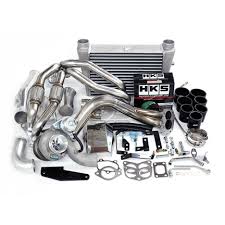
A turbo kit is a collection of components designed to add a turbocharger system to an engine that doesn’t already have one or to upgrade an existing turbo setup. The main goal is to increase engine power output by forcing more air into the combustion chamber, allowing the engine to burn more fuel and create more energy.
A complete turbo kit usually includes the following parts:
-
Turbocharger (the main component)
-
Intercooler
-
Blow-off valve (BOV)
-
Wastegate
-
Oil and coolant lines
-
Turbo manifold
-
Downpipe
-
Piping and clamps
-
ECU tuning software or controller
Together, these components work to deliver a controlled boost of compressed air into the engine — resulting in significantly more horsepower and torque.
How Does a Turbocharger Work?
A turbocharger is essentially an air compressor powered by exhaust gases. It consists of two main sections: the turbine and the compressor.
-
Exhaust Flow – Hot exhaust gases leaving the engine spin the turbine wheel.
-
Compression – The turbine shaft drives the compressor wheel, which draws in and compresses fresh air.
-
Boost Pressure – The compressed air is sent to the engine’s intake manifold, allowing for a denser air charge.
-
Combustion – With more air available, more fuel can be burned, creating more power.
This process increases engine efficiency — generating more power without significantly increasing engine size or weight.
The History of Turbocharging
The concept of forced induction has been around for over a century. Swiss engineer Alfred Büchi is credited with inventing the turbocharger in 1905. Early turbochargers were primarily used in aircraft engines to improve performance at high altitudes.
By the 1960s, automotive manufacturers began experimenting with turbocharging for performance and racing applications. Iconic models like the BMW 2002 Turbo, Porsche 911 Turbo, and Saab 99 Turbo helped popularize the technology in consumer cars.
Today, turbochargers are common even in compact and economy vehicles, as they allow smaller engines to deliver high performance while maintaining fuel efficiency.
Types of Turbo Kits
There are several types of turbo kits available, each offering different characteristics and performance benefits:
1. Single Turbo Kit
The most common setup, using one turbocharger to provide boost. It’s simple, efficient, and suitable for most engines.
Pros:
-
Cost-effective
-
Easier to install
-
Great for street and track use
Cons:
-
Limited top-end power compared to twin setups
2. Twin Turbo Kit
Uses two turbochargers, either in parallel or sequential configuration.
-
Parallel setup: Each turbo feeds half of the engine’s cylinders.
-
Sequential setup: One small turbo provides low-end boost, and a larger turbo takes over at higher RPMs.
Pros:
-
Smooth power delivery across RPM range
-
Increased overall power potential
Cons:
-
Expensive and complex to install
3. Twin-Scroll Turbo
A single turbo design that divides the exhaust flow into two channels to improve efficiency and reduce turbo lag.
Pros:
-
Better low-end response
-
More efficient than a traditional single turbo
Cons:
-
Requires special manifolds and exhaust design
4. Variable Geometry Turbo (VGT)
Commonly used in diesel engines, VGTs adjust the turbine’s vanes to optimize airflow at various engine speeds.
Pros:
-
Virtually eliminates turbo lag
-
Wide powerband
Cons:
-
High cost and complex design
Benefits of Installing a Turbo Kit
Installing a turbo kit offers numerous advantages beyond just raw power. Here are the main benefits:
1. Increased Horsepower and Torque
Turbochargers can boost power output by 30–70% or even more, depending on engine strength and tuning.
2. Improved Fuel Efficiency
A turbocharged engine can produce more power from a smaller displacement, which often leads to better fuel economy when driven conservatively.
3. Enhanced Performance
Turbo kits improve acceleration, top speed, and overall throttle response — turning an ordinary vehicle into a high-performance machine.
4. Lightweight Power Gains
Unlike large naturally aspirated engines, turbo setups provide massive power without significantly adding weight to the car.
5. Tuning Flexibility
Modern turbo kits allow drivers to adjust boost levels, offering customizable performance for street or track use.
Challenges and Drawbacks
While turbo kits are impressive, they also come with potential downsides:
-
Turbo Lag: A delay between throttle input and boost response.
-
Heat Management: Turbos generate intense heat, requiring proper cooling systems.
-
Engine Stress: Poor installation or tuning can damage engine components.
-
Maintenance Costs: Regular oil changes and inspections are essential.
-
Complex Installation: Requires mechanical expertise or professional installation.
To ensure reliability, always invest in quality components and professional tuning after installation.
The Turbo Installation Process
Installing a turbo kit is not a simple bolt-on process — it involves significant modification to the engine and supporting systems. Here’s a simplified overview:
-
Preparation – Disconnect the battery, remove existing intake and exhaust components.
-
Mount the Turbo – Install the turbo manifold and securely mount the turbocharger.
-
Connect Oil and Coolant Lines – Proper lubrication and cooling are critical for turbo life.
-
Install Intercooler and Piping – Reduces intake air temperature for better performance.
-
Install Blow-off Valve and Wastegate – Controls boost pressure and prevents compressor surge.
-
Tune the ECU – Adjust the engine’s fuel and ignition maps for safe operation.
Improper installation can lead to catastrophic engine failure. Always work with a qualified performance shop that specializes in forced induction systems.
Tuning and Maintenance
After installation, engine tuning is crucial to ensure reliable and safe power gains. Professional tuners adjust air-fuel ratios, ignition timing, and boost levels to match your engine’s capacity.
Regular maintenance includes:
-
Checking oil levels frequently
-
Cleaning or replacing air filters
-
Monitoring boost pressure and temperatures
-
Inspecting for oil leaks or loose connections
Proper care ensures your turbocharger remains efficient and durable for years of spirited driving.
Turbo Kit vs. Supercharger Kit
Both turbochargers and superchargers are forms of forced induction, but they operate differently.
| Feature | Turbocharger | Supercharger |
|---|---|---|
| Power Source | Exhaust gases | Engine belt |
| Efficiency | More efficient | Slightly less efficient |
| Lag | May have lag | Instant boost |
| Complexity | More complex | Simpler installation |
If you want a smoother, linear power delivery, a supercharger might suit you better. But if you crave high efficiency and big power gains, a turbo kit is the clear winner.
Future of Turbo Technology
As the automotive industry shifts toward electrification, turbo technology continues to evolve. We’re seeing innovations like:
-
Electric Turbos – Small electric motors that eliminate lag by spinning the compressor instantly.
-
Hybrid Turbo Systems – Combine exhaust-driven and electric assist for maximum efficiency.
-
Smart Boost Control – Adaptive systems that adjust boost pressure based on driving conditions.
Even in the age of electric vehicles, turbo technology remains vital for performance and efficiency in internal combustion engines.
Conclusion
A turbo kit is one of the most effective ways to elevate your car’s performance. By harnessing exhaust energy to produce more power, it transforms even an ordinary engine into a powerhouse. From thrilling acceleration to improved fuel efficiency, a well-tuned turbo system delivers a perfect balance of power and practicality.
However, installing a turbo kit requires careful planning, high-quality components, and expert tuning to ensure safety and reliability. Whether you’re chasing track performance or simply want a more exciting daily drive, the right turbo setup can take your car to an entirely new level of performance.
Recommended Featured Image:
A close-up photo of a shiny turbocharger installed in a modified engine bay, with polished metal pipes and blue silicone hoses under bright workshop lighting.